


-

Add: HeBei ShengShi HongBang Cellulose Technology CO.,LTD.
-

Email
13180486930@163.com -

CONTACT US
+86 13180486930
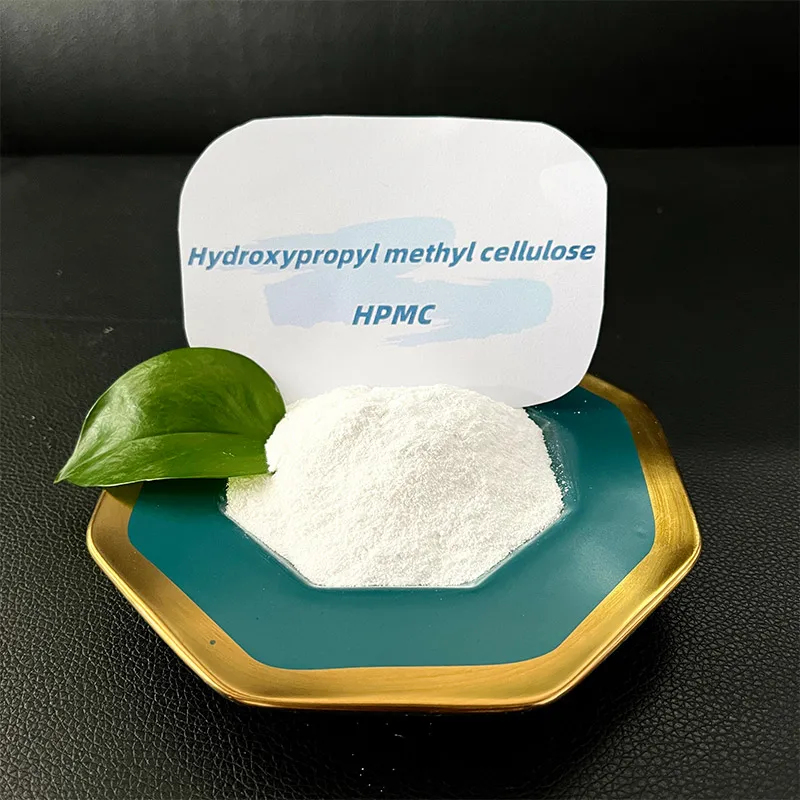




Hemp polypropylene is rapidly gaining traction in the materials industry as an innovative and sustainable alternative to traditional plastics. Over the past few years, the demand for eco-friendly materials has soared, making this composite material a highly sought-after product. Combining the strength and versatility of polypropylene with the ecological benefits of hemp, this innovative product is redefining expectations across various industries. Hemp, a variety of the Cannabis sativa plant species, has been used for centuries due to its robust fiber and minimal environmental impact. Its use in polypropylene composites is a cutting-edge application that positions it well in the sustainable plastics market. Polypropylene itself is a widely used plastic, valued for its lightweight, yet durable properties . When these two materials are combined, the resulting composite offers enhanced strength, decreased reliance on fossil fuels, and reduced carbon footprint. In real-world applications, hemp polypropylene demonstrates remarkable potential. It is gaining popularity in the automotive industry, where manufacturers are seeking lightweight, yet strong alternatives for car parts. By substituting traditional plastics with hemp polypropylene, companies can reduce vehicle weight, thus improving fuel efficiency and lowering emissions. This contributes to global efforts aimed at reducing the transportation sector's environmental impact. Moreover, the construction industry is exploring the use of hemp polypropylene in building materials. Its resilience and thermal insulation properties make it an attractive option for both interior and exterior applications. By incorporating such materials, builders can create more energy-efficient structures capable of withstanding harsh environmental conditions. From a production standpoint, the integration of hemp into polypropylene does not necessitate major adjustments in existing manufacturing processes. The fibers of hemp are easily mixed with polypropylene, creating a composite that retains the desirable properties of conventional plastics while enhancing its eco-friendliness. Additionally, hemp crops are low-maintenance and require fewer resources compared to other industrial crops, further minimizing production costs and environmental impact. hemp polypropylene In terms of reliability and authority, hemp polypropylene stands on firm ground. Industry experts acknowledge its potential, supported by exhaustive research and continuous innovation. Institutions across the globe are investing in the development of bio-composite materials, seeking to optimize their performance and widen their applications. As more companies adopt hemp polypropylene, it is finding robust support and validation through endorsements by leading environmental and materials science organizations. Trustworthiness is an essential attribute and hemp polypropylene is verified by rigorous testing to meet industry standards. Its performance in both laboratory and field settings consistently reflects its reliability. Certifications by independent entities further solidify its credibility, ensuring that products made from this material can withstand the rigors of everyday use. The rise of hemp polypropylene is also fueled by an increased awareness among consumers about sustainability. As ecological consciousness becomes mainstream, customers prioritize products that reflect responsible environmental stewardship. Brands that utilize hemp polypropylene demonstrate their commitment to reducing ecological impact, which resonates well with eco-minded consumer bases. Furthermore, advancements in technology are enhancing the potential of hemp polypropylene. Sophisticated processing techniques are enabling more precise tailoring of this material's properties to meet specific industry needs. Innovations such as improved fiber treatment methods and nano-scale composite structures are paving the way for even more applications and improved performance. In conclusion, hemp polypropylene is more than just an emerging sustainable alternative—it's a transformative material that embodies the synergy of innovation and environmental responsibility. Its applications across industries like automotive and construction underline its versatility and appeal. As an expert in this field, the continuous evolution and acceptance of hemp polypropylene point towards an exciting, sustainable future for both manufacturers and consumers alike. By choosing hemp polypropylene, industries gain not just an effective alternative, but a pioneering material that aligns with modern environmental imperatives and consumer expectations.
- 40000tons

Production
- 20+years

Experience
- 5000+㎡

Acreage

-
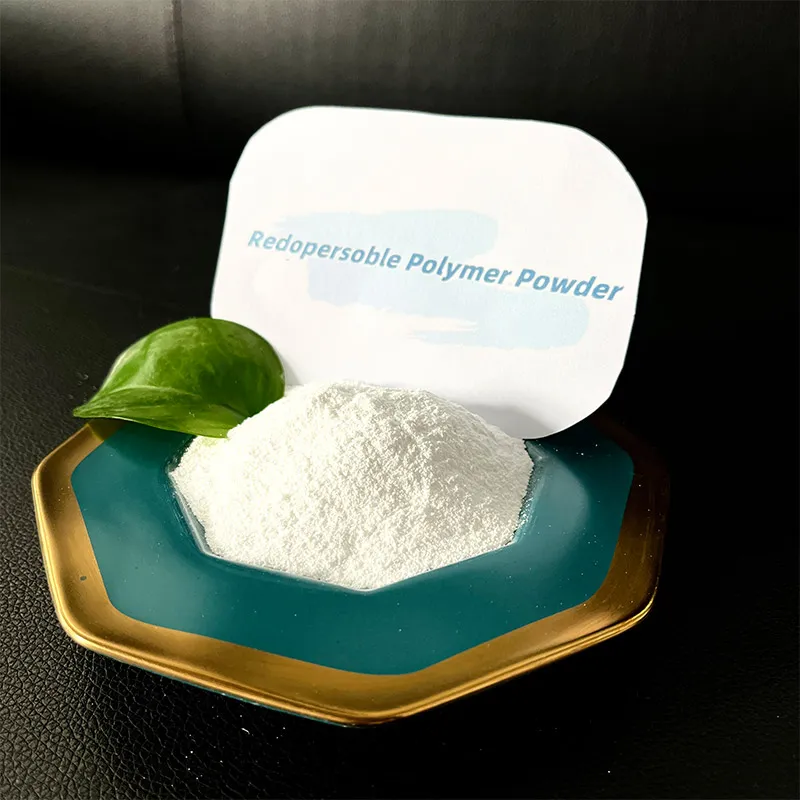
Hydroxypropyl methylcellulose (HPMC) has become a critical component in a range of construction materials due to its unique properties, such as water retention, improved adhesion, and enhanced workability. This versatile polymer is widely used in the manufacturing of tile adhesives, mortars, and plasters. As a hydroxypropylmethylcellulose supplier , it is crucial to provide high-quality products that meet the specific demands of modern building projects. In this article, we will explore the importance of hydroxypropyl methyl cellulose in building materials, especially in HPMC tile adhesive applications. Why Hydroxypropyl Methyl Cellulose is Essential in Construction Materials The role of hydroxypropyl methyl cellulose in construction cannot be overstated. As a water-soluble polymer, HPMC functions as an excellent binder in various construction mixtures. It improves the consistency and workability of materials, making them easier to apply. When mixed with water, hydroxypropyl methyl cellulose forms a gel-like consistency, which helps retain moisture for a longer period during the curing process. This is crucial for preventing premature drying and ensuring optimal bond strength in tile adhesives, plasters, and cement-based products. In addition, HPMC enhances the adhesion properties of HPMC tile adhesive , ensuring that tiles stick securely to surfaces and withstand environmental stresses such as temperature changes and humidity. The water retention capacity of hydroxypropyl methyl cellulose also ensures that the adhesive remains workable for a longer period, giving contractors enough time to position tiles accurately. The Key Benefits of Using Hydroxypropyl Methyl Cellulose in Tile Adhesives When it comes to HPMC tile adhesive , the benefits are numerous. First and foremost, hydroxypropyl methyl cellulose acts as a superior thickening agent. This property not only improves the application characteristics of tile adhesives but also prevents sagging when applied to vertical surfaces. The controlled viscosity of the product makes it easier to spread evenly and ensures better adhesion, which is essential for achieving a long-lasting bond. The improved open time is another critical advantage of hydroxypropyl methyl cellulose in tile adhesives. Open time refers to the time span during which the adhesive remains workable after being applied to a surface. By increasing the open time, HPMC allows for more flexibility in tile placement, reducing the chances of errors during installation. Additionally, hydroxypropyl methyl cellulose contributes to the flexibility and durability of tile adhesives. In areas with high foot traffic or fluctuating temperatures, tile adhesives need to be able to flex slightly to accommodate any movements in the underlying substrate. HPMC tile adhesive formulations with the right amount of hydroxypropyl methyl cellulose can resist cracking and maintain a strong bond, even under demanding conditions. How Hydroxypropylmethylcellulose Suppliers Ensure Quality and Consistency A reliable hydroxypropylmethylcellulose supplier plays a vital role in ensuring that building materials are of the highest quality and consistency. Manufacturers rely on suppliers to deliver products that meet industry standards and specific performance requirements. The quality of hydroxypropyl methyl cellulose can vary depending on the raw materials used, the manufacturing process, and the supplier's expertise. Top-tier hydroxypropylmethylcellulose suppliers ensure the consistency of their products through rigorous quality control measures, which include tests for particle size distribution, viscosity, and water retention properties. By maintaining strict control over production, these suppliers can provide construction companies with reliable and uniform materials that perform consistently across various projects. Working closely with trusted hydroxypropylmethylcellulose suppliers also means access to customized solutions. Different types of hydroxypropyl methyl cellulose are used in different applications, and some may be more suited to specific climate conditions or surface types. A supplier who understands the diverse needs of their clients can recommend the right grade of HPMC for each unique application, ensuring the best possible results for tile adhesives and other building materials. The Future of Hydroxypropyl Methyl Cellulose in Building Materials As the construction industry evolves, the demand for high-performance, sustainable building materials continues to rise. The use of hydroxypropyl methyl cellulose in tile adhesives and other construction products is expected to grow, driven by the need for more efficient, durable, and eco-friendly solutions. Manufacturers and hydroxypropylmethylcellulose suppliers are continuously working on enhancing the properties of HPMC to meet these demands. Research into the sustainable production of hydroxypropyl methyl cellulose is also gaining traction. By reducing the environmental impact of its production and sourcing raw materials responsibly, HPMC producers are helping to promote more sustainable construction practices. Additionally, innovations in HPMC tile adhesive formulations are likely to lead to even better performance, such as adhesives with superior flexibility, faster curing times, and enhanced resistance to environmental stressors. As the construction industry looks to the future, hydroxypropyl methyl cellulose will continue to be a key ingredient in the development of high-quality building materials, with an emphasis on performance, sustainability, and cost-effectiveness. H ydroxypropyl methyl cellulose is an indispensable component in modern construction materials, particularly in HPMC tile adhesive applications. Its ability to improve workability, enhance adhesion, and retain moisture makes it a key ingredient for achieving durable, high-performance building materials. Working with a trusted hydroxypropylmethylcellulose supplier ensures that construction companies have access to consistent, high-quality materials that meet the demands of both current and future projects. As the construction industry continues to innovate, the role of hydroxypropyl methyl cellulose in building materials will undoubtedly remain central to the development of advanced and sustainable construction solutions.
-
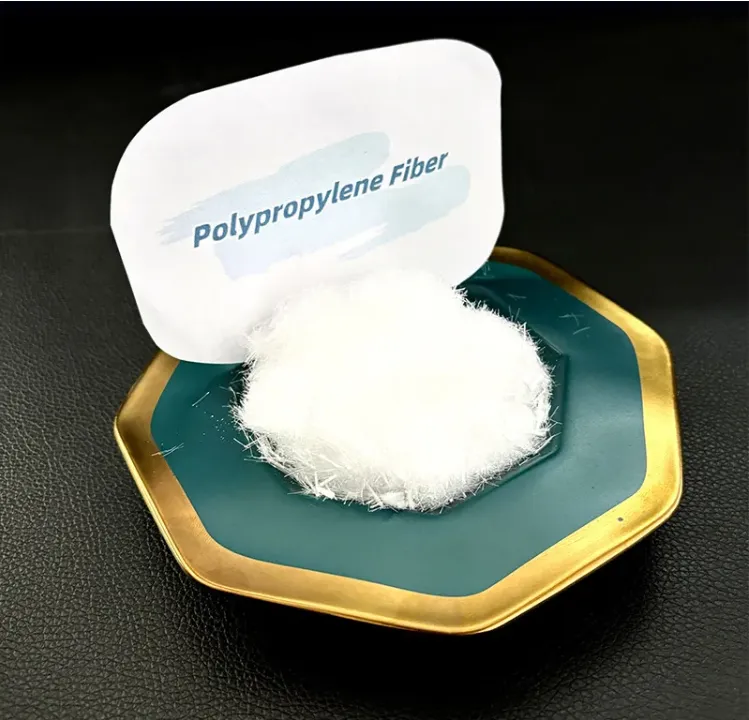
Hydroxypropyl methylcellulose (HPMC), particularly the K100LV grade, is an essential polymer frequently used in a variety of industrial and pharmaceutical applications due to its unique chemical properties and versatility. This analysis delves into the specific functionalities, practical experiences, and benefits of utilizing HPMC K100LV, providing an expert insight into its applications and impact. HPMC K100LV is a low-viscosity variant of the widely used hydroxypropyl methylcellulose, a non-ionic cellulose ether produced by the modification of alkali cellulose with methylene chloride and propylene oxide. This chemical configuration imparts HPMC K100LV with unparalleled water solubility, exceptional film-forming ability, and thermogelation properties, making it highly sought after in various sectors. In the pharmaceutical industry , HPMC K100LV's primary benefit is as an excipient. Its low viscosity facilitates easy tablet binding without the need for high compression forces, allowing for a smoother manufacturing process and consistent tablet hardness. The polymer's thermogelation properties are integral in controlling drug release, ensuring precise dosage and enhancing the bioavailability of medications. Pharmacists and formulation scientists often highlight its role in developing extended-release formulations, ensuring that therapeutic effects are prolonged while maintaining the drug's stability and efficacy. Experts in food technology also recognize the value of HPMC K100LV, particularly in the development of gluten-free products. Its ability to mimic gluten's viscoelastic properties helps create a desirable texture in baked goods, maintaining softness and moisture retention, which is often a challenge in gluten-free baking. Chefs and food product developers share positive experiences of how HPMC K100LV enhances the quality of gluten-free bread and pastries, offering consumers products that align with their dietary needs without compromising taste or texture. HPMC K100LV's utility extends to the construction industry. Its application as a cement additive is well documented, where it significantly improves the workability of dry-mix mortars. The polymer contributes to the mortar's water retention capabilities, resulting in enhanced adhesion and reduced cracking due to shrinkage. Professionals in construction and civil engineering continuously advocate for its use, citing improved durability and performance in various environmental conditions, making it a staple in modern building practices. hpmc k100lv In the context of personal care products, HPMC K100LV plays a crucial role in formulating shampoos, lotions, and creams. Its film-forming properties create a stable emulsion, maintaining product consistency and texture over time. Cosmetic chemists often express appreciation for its multifunctionality, which allows for innovative product formulations that cater to diverse consumer needs, particularly in moisturizing and volumizing products. When discussing the expertise and authority in the use of HPMC K100LV, it is clear that ongoing research and development continue to reveal new applications and improvements. Researchers in materials science and chemical engineering frequently publish studies exploring novel uses for this polymer, reinforcing its position as a versatile material. Trust in HPMC K100LV is fortified by its excellent safety profile and regulatory acceptance. It meets stringent quality standards and is approved for use by regulatory bodies such as the FDA and EMA, providing end-users with confidence in its reliability and consistency. Industries that utilize this polymer often rely on comprehensive supplier quality tests and certifications, underpinning the trustworthiness of HPMC K100LV in maintaining product integrity and safety. Ultimately, HPMC K100LV stands out due to its multifaceted applications and the trust it commands across various industries. Its unique chemical properties facilitate innovation, efficiency, and improved performance in pharmaceuticals, food technology, construction, and personal care products. As advancements in technology and materials science progress, HPMC K100LV will undoubtedly continue to evolve, driving further developments and applications in contemporary industry practices.
advantages
-

200000 Viscosities
Excellent product
We can produce pure products up to 200,000 viscosities
-

40000 tons
High yield
We don’t stop production all year round, and the annual output can reach 40,000 tons
-

24 hours
Quality service
We provide 24-hours online reception service, welcome to consult at any time
———— Inquiry Form
Schedule A services
-
 polypropen_saruji_kraftigare
Oct . 25, 2025
Exploring the World of Fibers A Dive into Natural and Synthetic Choices In the ever-evolving landsca -
 wood_and_cellulosic_chemistry
Oct . 25, 2025
Hydroxypropyl Methylcellulose (HPMC) is a versatile compound with extensive applications across vari -
 selulosa_kayu
Oct . 25, 2025
Hydroxypropyl methylcellulose (HPMC) , with a concentration of 0.3%, is becoming an increasingly pop


